Stop Guessing When to Book: A Month-by-Month Breakdown of Vilamoura's Best Travel Windows
Here's a question most travel sites won't ask you: What kind of trip do you actually want? Because the answer changes everything about when you should fly into Faro.
Vilamoura isn't a one-size-fits-all destination. It's a place that genuinely transforms depending on the month — from a buzzing, bronzed resort town in peak summer to a quiet, almost meditative coastal retreat in January. Both versions have real appeal. The trick is knowing which one suits your travel style, your budget, and what you're hoping to get out of the trip.
So let's skip the vague "shoulder season is great!" advice and get specific.
January & February: The Reset Months
Let's be honest — if you're chasing beach weather, January and February aren't your months. Daytime temperatures hover in the low-to-mid 60s°F, and rain is a genuine possibility. But here's the thing: Vilamoura in winter is surprisingly livable, especially if you're coming from somewhere like Chicago or Minneapolis where February means something much worse.
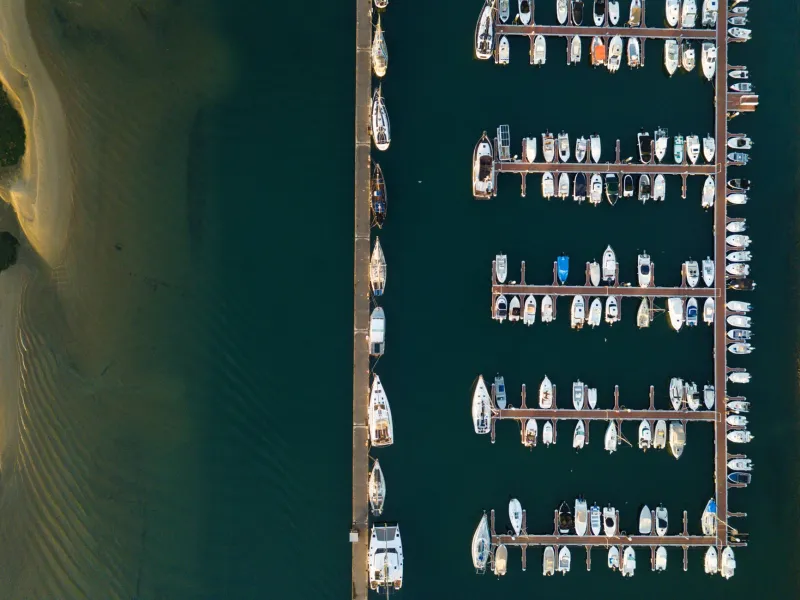
The marina is calm and photogenic. Restaurants that were packed wall-to-wall in August now have open tables and unhurried service. Hotel rates drop significantly — sometimes 50% or more compared to peak season. And the golf courses? Absolutely uncrowded. If you've been wanting to play Victoria or Millennium without waiting on every tee box, this is your window.
Who should come in January or February: golfers, long-stay travelers, remote workers, retirees looking to escape a brutal winter back home.
March & April: The Sweet Spot Starts Here
This is where things get interesting. March and April represent the beginning of what might be Vilamoura's most underrated stretch. Temperatures climb into the upper 60s to low 70s°F. Wildflowers are out across the Algarve countryside. The beaches aren't packed, but on a clear April afternoon, you can absolutely lie out and enjoy the sun.
Crowd levels are still low by European standards, and prices haven't caught up to the summer surge yet. You'll find accommodation deals that simply don't exist in July, and you'll have an easier time getting reservations at the better restaurants around the marina strip.
The water temperature is still cool for swimming — think 62-65°F — so if a daily ocean dip is non-negotiable, you might want to wait. But for sightseeing, golf, cycling, and just soaking up the general vibe of the Algarve, March and April are genuinely excellent.
Who should come in March or April: couples, active travelers, golfers, first-timers who want the full experience without the full price tag.
May & Early June: The Closest Thing to a Perfect Month
If you can only go once and you want the best all-around experience, seriously consider May. Temperatures are consistently in the mid-70s°F, the Atlantic has warmed up enough for swimming, and the resort hasn't yet hit its summer intensity. You'll share the beach with people, but not elbow-to-elbow.
Prices in May are still noticeably lower than peak season, though they're creeping up. Book early and you'll find solid value on both flights and accommodation. The long daylight hours — the Algarve gets a lot of sun this time of year — mean you can pack a ton into each day without feeling rushed.
Early June follows a similar pattern, though by the third week of June you're firmly entering high season territory, and prices reflect that.
Who should come in May or early June: families, couples, anyone who wants beach weather without the August chaos.
July & August: Peak Season, Peak Everything
This is Vilamoura at full volume. The marina is packed with yachts. The beach clubs are thumping. Every restaurant has a wait. And the weather is genuinely spectacular — sunny days in the upper 80s to low 90s°F, warm ocean water, and almost zero chance of rain.
But you'll pay for it. Hotel rates are at their annual high, flights from the US are expensive, and popular spots book out weeks or months in advance. The beach at Praia da Falésia — one of the most stunning stretches of coastline in Europe — gets crowded by mid-morning.
None of this means you shouldn't come. July and August are peak season for a reason: they're fantastic. But go in with realistic expectations about costs and crowds. Book everything early, set a budget that accounts for higher prices, and embrace the energy rather than fighting it.
Who should come in July or August: families with school-age kids, first-timers who want the classic Vilamoura experience, travelers who thrive in a lively atmosphere.
September & October: The Locals' Favorite
Ask anyone who's been to Vilamoura more than once when they prefer to go, and a surprising number will say September. The summer crowds have thinned considerably, especially after the first week of September when European school holidays wrap up. But the weather is still outstanding — temperatures in the low-to-mid 80s°F, ocean water at its warmest of the year (around 72-74°F), and long, golden afternoons.
Prices begin to soften in September and drop more noticeably in October. You can often find last-minute accommodation deals that simply don't exist in summer. The restaurants are still fully operational, the golf courses are in great condition, and the marina retains its charm without the peak-season intensity.
October brings slightly cooler days and the occasional rainy spell, but it's still genuinely pleasant by most American standards. Think of it like a warm, extended fall — the kind of weather that makes you wonder why you ever complained about autumn.
Who should come in September or October: repeat visitors, couples, retirees, anyone who prioritizes value and atmosphere over peak-season bragging rights.
November & December: Quiet, Affordable, and Underestimated
November is the transition month. Some years it's mild and lovely; others bring more rain and wind. It's genuinely variable, and that unpredictability keeps most tourists away — which is exactly why the prices are so low.
December deserves a special mention, though. Vilamoura around the holidays has a quiet, almost romantic quality. The Christmas lights go up around the marina, a few festive events pop up, and you can walk the waterfront without navigating through a crowd. Temperatures are in the low-to-mid 60s°F — cool, but manageable if you pack a light jacket.
For Americans who want a European holiday experience without the chaos of Lisbon or Porto during Christmas, Vilamoura is a genuinely appealing option.
Who should come in November or December: budget travelers, golfers, digital nomads, retirees looking for a quiet escape.
The Bottom Line
There's no universally "best" time to visit Vilamoura — it depends entirely on what you're optimizing for. Want the best weather and don't mind spending more? July or August. Want great weather at a fraction of the price? May or September. Want to play golf every day without another soul on the course? January.
The biggest mistake most American travelers make is defaulting to summer simply because that's when everyone else goes. Vilamoura rewards flexibility. And if you can shift your trip by even a few weeks in either direction from peak season, you'll often find a meaningfully better experience — more room, more value, and honestly, more of the real Algarve.