Your Dollar in Vilamoura: When the Exchange Rate Works for You (and When It Doesn't)
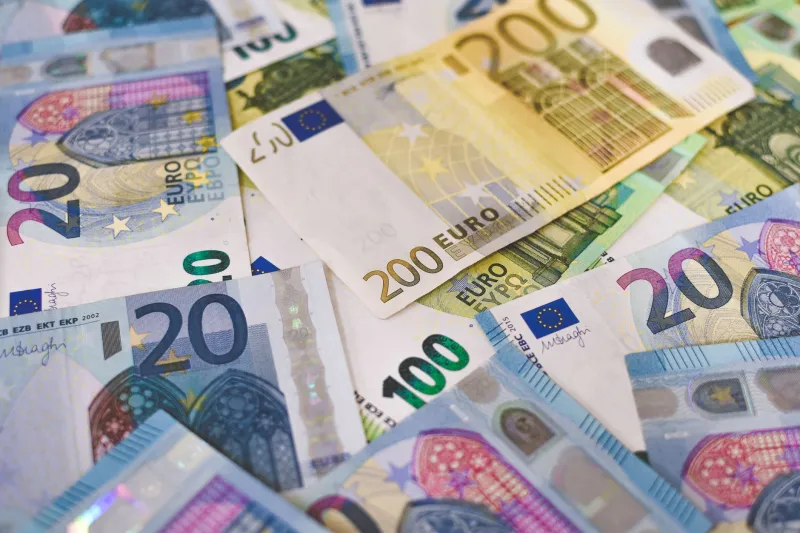
Let's be honest: most Americans show up in Vilamoura with a vague sense that Europe is expensive, swipe their card at a few restaurants, and only do the math on the flight home. Sometimes they're pleasantly surprised. Sometimes they're horrified. The difference between those two outcomes usually comes down to a handful of decisions made before and during the trip — decisions that have nothing to do with how much you packed or how many excursions you booked.
The euro-dollar relationship is genuinely interesting right now, and it swings more than people expect. Understanding how to work with it — rather than just hoping for the best — can mean the difference between a trip that feels like a splurge and one that feels like a steal.
First, Let's Talk About Where the Rate Actually Stands
The USD/EUR exchange rate has bounced around considerably over the past few years. When the dollar is strong (closer to parity or above), Americans visiting Vilamoura are essentially getting a discount on everything — meals, accommodation, golf rounds, marina fees. When the dollar weakens, that same trip quietly gets more expensive without anything on the menu changing.
The practical takeaway: it's worth checking the rate before you book, not just before you land. If you're planning a trip six months out and the dollar is sitting in a favorable position, locking in some euros through a service like Wise or Revolut can protect you from a swing that might cost you hundreds before you even board the plane.
That said, trying to perfectly time currency markets is a fool's errand. The smarter play is minimizing fees and making good decisions on the ground — which is where most Americans actually lose money.
Where Your Money Goes Further Than You'd Think
Everyday dining away from the waterfront. Vilamoura's marina strip is gorgeous, and yes, you should eat there at least once. But the restaurants tucked a few blocks inland — the ones without the nautical decor and the English-language menus displayed outside — are where locals actually eat. A full lunch with wine at a neighborhood tasca can run you €10–14 per person. That same meal with a marina view might be €28–35. Both are good. One is significantly better value.
Supermarkets and local markets. Pingo Doce and Continente are your friends. Portuguese grocery prices are genuinely lower than what most Americans pay at home, and the quality — especially on fresh produce, seafood, and local wine — is excellent. A bottle of decent Alentejo red costs €4–7. A wedge of aged Alentejo cheese costs about what a gas station snack costs back home. If you're staying in an apartment or villa (common for longer trips), doing even a portion of your eating from the supermarket dramatically changes your daily spend.
Golf. This one surprises people. Vilamoura's courses — including the legendary Old Course — are internationally ranked and genuinely world-class. But compared to what Americans pay at premium courses in Scottsdale, Pebble Beach, or even upscale Florida clubs, the green fees here are often lower, especially if you book in advance or play during shoulder season. Factor in the exchange rate on top of that, and serious golfers often find Vilamoura rounds cheaper than comparable experiences back home.
Accommodation outside peak season. July and August are expensive everywhere in the Algarve. But May, June, September, and October? You'll find the same quality villas and apartments at 30–50% lower rates, the weather is still excellent, and the beaches aren't packed. Americans who flex their travel dates even slightly tend to come out way ahead.
Where Americans Quietly Bleed Money
Airport currency exchange booths. This is the classic trap. Faro Airport has currency exchange desks, and they exist to take advantage of people who didn't plan ahead. The rates are poor and the fees are layered. Skip them entirely. Use your debit card at a proper ATM once you arrive, or better yet, bring euros you converted at home through a reputable service.
Dynamic Currency Conversion. This one catches even savvy travelers. When you pay by card at a restaurant or shop in Vilamoura and the terminal asks if you want to pay in dollars or euros — always choose euros. Always. When you choose dollars, the merchant's bank sets the conversion rate, and it's almost always worse than what your own bank charges. It feels helpful. It isn't.
Taxis and transfers without agreed pricing. Some drivers near the marina or outside tourist areas will quote in a way that feels flexible. Agree on a price before you get in, or use a metered cab. Better yet, use a pre-booked transfer service for airport runs — the pricing is transparent and often competitive.
The "tourist menu" trap. Many restaurants near Vilamoura's busiest areas offer set tourist menus that look like deals but are priced for people who aren't paying attention. The à la carte menu at a local spot will often give you better food at a lower price. Learn to read Portuguese menus even roughly — Google Translate works fine — and you'll eat better for less.
Practical Tools Worth Having Before You Land
A few things that make a real difference:
- Wise or Revolut debit cards — both offer near-interbank exchange rates with low fees. For Americans spending a week or more in Vilamoura, the savings over a standard US bank card can add up quickly.
- Charles Schwab checking account — their debit card refunds ATM fees worldwide. If you're doing multiple cash withdrawals, this matters.
- XE Currency app — simple, accurate, and useful when you're standing in front of a price tag trying to do quick math.
- Book accommodation in euros — if you're booking directly with a villa rental or hotel, ask to be invoiced in euros rather than a dollar equivalent. You'll get a better rate through your own bank than through their conversion.
The Honest Bottom Line
Vilamoura isn't cheap in the way that, say, Southeast Asia is cheap. It's a resort town with genuine luxury infrastructure, and prices reflect that. But compared to comparable resort experiences in the US — think high-end Florida, coastal California, or the nicer parts of the Caribbean — it's often surprisingly competitive, especially when the dollar is healthy and you're making smart decisions on the ground.
The Americans who feel like they got great value in Vilamoura aren't necessarily luckier. They checked the rate before booking, they used the right card, they ate one block away from the marina at least half the time, and they didn't let an ATM screen or a payment terminal make quiet decisions for them.
Do those things, and Vilamoura feels like exactly the kind of place where your money works as hard as you do on vacation — which is to say, not very hard at all, in the best possible way.