Getting a Root Canal in the Algarve Sounds Crazy Until You See the Price Tag
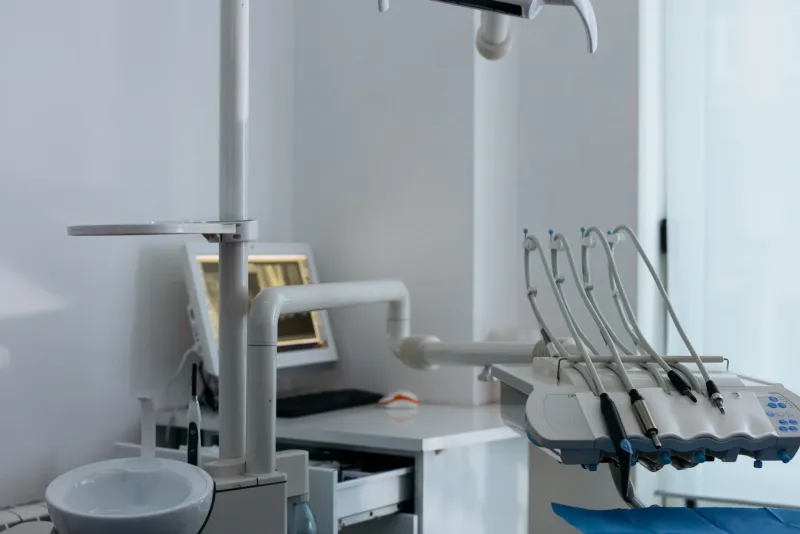
Let's be honest: nobody plans a trip to Vilamoura specifically to sit in a dentist's chair. But somewhere between your third glass of local wine and the moment you look up what that crown is going to cost you back in Dallas, the idea starts to make a whole lot of sense.
Medical and dental tourism in Portugal — particularly in the Algarve — has grown into a legitimate, well-organized industry. The clinics are modern, the practitioners are often European-trained (many with credentials from the UK, Spain, or Germany), and the prices can be so dramatically lower than US rates that the math practically does itself. But like anything involving your health, going in without a plan is how things go sideways. So here's the practical playbook.
What's Actually Affordable (And By How Much)
This is where most Americans' jaws drop — figuratively, not because the dentist asked. A standard dental implant in the US averages somewhere between $3,000 and $6,000 per tooth, depending on your city and provider. In the Algarve, the same procedure at a reputable clinic typically runs €800 to €1,500. Full-mouth restorations that might cost $40,000 or more stateside? You're often looking at a fraction of that.
Beyond dentistry, cosmetic procedures like rhinoplasty, blepharoplasty (eyelid surgery), and body contouring are available through licensed plastic surgeons at costs that are frequently 50 to 70 percent lower than comparable US pricing. Even routine care — private GP consultations, dermatology, ophthalmology — runs surprisingly affordable, especially compared to what you'd pay out-of-pocket if you're uninsured or underinsured at home.
Vilamoura itself has a small but solid cluster of private clinics serving the international community. The nearby city of Faro, just 20 minutes away, expands your options considerably and is home to the region's main hospital as well as a number of established specialist practices.
How to Vet a Clinic Without Speaking Portuguese
Here's the good news: most clinics catering to international patients in the Algarve have English-speaking staff. Many have websites in English and actively market to British, Irish, and increasingly American visitors. That said, marketing polish is not the same as clinical quality, so you need to dig a little deeper.
Start with credentials. Portugal's medical practitioners are regulated by the Ordem dos Médicos (the Portuguese Medical Association) and dentists by the Ordem dos Médicos Dentistas. Both organizations have searchable online registries where you can verify a practitioner's license. This takes about five minutes and should be non-negotiable.
Next, look for international affiliations or certifications. Clinics accredited by the Joint Commission International (JCI) meet globally recognized safety and quality standards. Not every good clinic has JCI accreditation — it's an expensive process — but its presence is a strong signal.
Reviews matter, but context matters more. Google Reviews and Trustpilot listings for Algarve clinics often skew heavily international, which actually works in your favor — you're reading feedback from people in a similar situation to yours. Look for patterns rather than individual outliers, and pay attention to how clinics respond to negative reviews.
Finally, don't skip the consultation. Most reputable clinics offer an initial consultation (sometimes virtual, sometimes in-person) before any procedures are scheduled. Use this to assess communication quality, ask about the practitioner's training and experience, and get a written treatment plan with itemized costs. If a clinic pushes you to commit without a proper consultation, walk away.
The Language Barrier Is Smaller Than You Think
Portugal has one of the highest English proficiency rates in continental Europe, and the Algarve — with its decades of international tourism — sits comfortably at the top of that list. In most private clinics, you'll find at least one English-speaking staff member, and in many practices, the dentist or doctor themselves will speak English fluently.
That said, medical vocabulary is its own beast. When in doubt, write things down. Bring a typed summary of your medical history, current medications (with generic names, not just brand names), and any known allergies. If you're managing a chronic condition, bring documentation from your US provider. A translation app on your phone is useful for packaging labels and paperwork, though it shouldn't replace actual human communication for anything clinically important.
For more complex procedures, some patients hire a local health concierge or patient advocate — a growing service in the Algarve that can help navigate appointments, translate documents, and coordinate between providers.
What Your US Insurance Will (and Won't) Do For You
Short answer: probably not much, at least not directly. Most US health insurance plans don't cover elective care abroad, and dental insurance rarely covers international work regardless of medical necessity. However, there are a few angles worth exploring.
Some PPO plans will reimburse for emergency care received overseas — keep every receipt and ask the clinic for an itemized invoice in English. FSA and HSA funds can generally be used for qualifying medical expenses abroad, including dental work, as long as the procedure itself would be covered domestically. Check with your plan administrator before you go.
For planned procedures, travel medical insurance with a medical evacuation rider is worth considering — not because complications are likely, but because it gives you a safety net if something unexpected happens and you need to get home quickly for follow-up care.
Planning Your Follow-Up Care Before You Leave
This is the part people forget until they're back in Cincinnati with a question about their new crown. Before you travel, have an honest conversation with your US dentist or doctor about your plans. Some practitioners will be supportive; others less so. Either way, you want to establish a clear line of communication for when you return.
Ask your Algarve provider for complete documentation of everything done — X-rays, lab results, procedure notes, materials used (implant brands, prosthetic specs, etc.). Digital copies are ideal. This allows your US provider to pick up where the Portuguese team left off without starting from scratch.
For multi-stage procedures like implants (which typically require several months between placement and crown fitting), some patients split the work strategically — getting the initial procedure done in Portugal during a visit, then returning for the finishing work on a subsequent trip. This approach requires planning but can work well if you're visiting Vilamoura regularly anyway.
Is It Worth It?
For many Americans, the answer is a straightforward yes — especially for major dental work, cosmetic procedures, or anything where US costs are prohibitive. The quality of care at established Algarve clinics is genuinely good, the region is easy to navigate, and combining treatment with an actual vacation in one of Europe's most beautiful resort towns softens the whole experience considerably.
The key is doing it right: verify credentials, get everything in writing, plan your follow-up, and don't let the price savings rush you into skipping the due diligence. Approach it with the same care you'd apply to choosing a provider at home, and Vilamoura's medical tourism scene is more than capable of delivering.
Your teeth — or whatever else needs attention — will thank you. And so will your bank account.