Off-Season, Underrated: What Vilamoura Looks Like When the Crowds Go Home
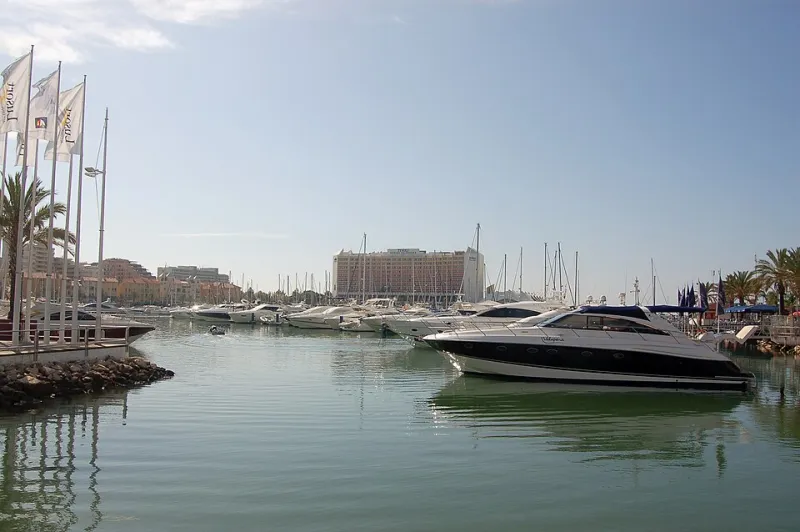
Photo: Bahnfrend, CC BY-SA 4.0, via Wikimedia Commons
Somewhere between October and November, something shifts in Vilamoura. The charter flights thin out. The marina gets quieter. Restaurant owners start recognizing faces again. And for a few months, one of Europe's most polished resort towns remembers it's actually a real place where real people live.
If you've only ever seen Vilamoura in July, you've seen the performance. Come in January and you'll see the thing itself.
This isn't a case of talking yourself into a bad deal. Winter in the Algarve — and Vilamoura specifically — is legitimately good travel, not just cheap travel. Here's why the off-season deserves a serious look from American visitors willing to think outside the summer box.
The Golf Angle (And It's a Strong One)
Let's start here, because for a lot of Americans, golf is the primary reason Vilamoura is on the radar at all. The Algarve has more than 40 courses, and Vilamoura sits at the center of some of the best: Victoria, Old Course, Pinhal, Laguna, Millennium — five courses within a few miles of each other, all operating year-round.
Winter is, without exaggeration, the best time to play them.
Temperatures in December through February typically run between 55°F and 65°F — cool enough to walk 18 holes without wilting, warm enough that you won't need more than a light layer. Fairways are green (the summer heat actually stresses the turf more than the mild winters), conditions are uncrowded, and tee times are genuinely available without booking six weeks out.
Green fees drop significantly in winter. Depending on the course and when you book, you can play Victoria — which hosted the Portugal Masters on the European Tour for years — for a fraction of what you'd pay in peak season. Package deals through Vilamoura's resort properties often bundle accommodation and rounds at rates that make the math look almost too good.
For serious golfers, this is the pitch: better conditions, lower cost, and no four-ball in front of you taking 25 minutes per hole. It's not a hard sell.
What the Weather Is Actually Like
Here's where American visitors sometimes get tripped up by expectations shaped by Florida or Arizona winter golf trips. The Algarve is mild, not tropical. You will see rain. You will have some overcast days. November in particular can be wet.
But "mild" is doing real work in that sentence. Vilamoura averages around 300 days of sunshine per year, and even in winter, sunny stretches of a week or more are completely normal. The region sits at a latitude roughly equivalent to North Carolina, but benefits from Atlantic moderation that keeps temperatures from swinging hard in either direction.
December through February tends to be the driest stretch of the winter season, which is counterintuitive but consistent. January and February are often spectacularly clear — crisp, bright days that are genuinely pleasant for walking, cycling, or sitting outside with a coffee.
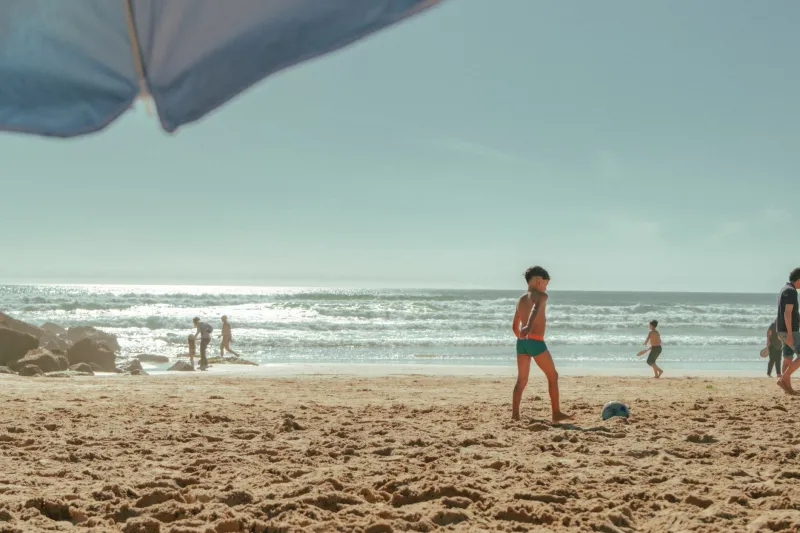
The sea temperature drops to around 60°F, so swimming is for the committed. But the coastline itself — the cliffs, the empty beaches, the light — is arguably more beautiful in winter than in summer when it's carpeted in umbrellas and beach chairs.
Prices That Actually Make Sense
Let's talk money, because this is where the off-season argument becomes nearly impossible to argue with.
Accommodation rates in Vilamoura in January can run 40-60% lower than peak summer pricing. The same four-star property that costs $250 a night in August might be $120 or less in February. Flight prices from major US hubs (typically routing through Lisbon) follow the same curve — transatlantic fares in winter are consistently lower than summer, often dramatically so.
Restaurants that operate on a tourist premium in summer tend to recalibrate in winter. Some close for a few weeks — worth checking before you go — but those that stay open are often running specials and prix-fixe lunch menus that represent genuine value. A two-course lunch with wine at a solid restaurant in the Quarteira area in January can cost less than a fast-casual meal back home.
The marina area still has its higher-end options, but even there, you'll find that menus and attitudes shift when the volume drops. You get more attention, slower service in the good way, and a sense that the staff actually wants to talk to you.
What Vilamoura Feels Like Without the Crowds
This is harder to quantify but worth saying directly: Vilamoura in summer is a well-run resort. Vilamoura in winter is a place.
The marina, which can feel like a theme park version of itself in July, becomes a genuinely pleasant place to spend a morning in January. Locals walk their dogs along the water. Fishermen work on boats. The cafés that cater to year-round residents rather than tourists serve better coffee and have better prices.
The nearby town of Quarteira — a 10-minute walk or drive — is mostly residential and Portuguese in a way that Vilamoura's purpose-built resort core never fully is. In winter, the distinction between the two places becomes more pronounced and more interesting. Quarteira's market, its seafood restaurants, its promenade of retired Portuguese couples doing their evening walk — it's all there in summer too, but in winter it's not competing with anything. It's just life.
For Americans who travel partly to actually experience somewhere different, this matters. You can spend a week in Vilamoura in August and return home having experienced a very comfortable international resort. You can spend a week in January and return home having experienced a slice of Southern Portugal.
Practical Tips for Making Winter Work
Check what's open before you book. Some restaurants, water sports operators, and tourist-facing businesses close for a few weeks in January. A quick email or look at their social media before finalizing plans saves disappointment.
Pack layers, not just light summer clothes. Evenings can drop into the upper 40s°F, especially in December and January. A light jacket, a long-sleeve layer, and one warmer option covers almost any scenario.
Rent a car. This is good advice in any season, but especially in winter when some shuttle and bus services run reduced schedules. The Algarve's interior — cork forests, whitewashed villages, the Serra do Caldeirão hills — is beautiful in winter and easy to explore with your own wheels.
Book golf in advance but not frantically. Tee times are available, but popular courses still fill up on weekends. A week's notice is usually plenty. Two weeks gives you full flexibility.
Lean into the local calendar. Portuguese towns have festivals and markets year-round. Loulé hosts a Carnival celebration in February that's one of the biggest in the country. The Christmas markets in December are low-key but genuinely charming.
The Bottom Line
Winter in Vilamoura isn't a backup plan. It's a different kind of trip — quieter, cheaper, more connected to the place itself, and genuinely excellent for golfers who want the best of what the Algarve offers without the summer premium. If your schedule has any flexibility, the case for November through February is stronger than most travelers realize. The secret's been kept long enough.